A Professional Look at the Luge Icon for Embroidery Projects
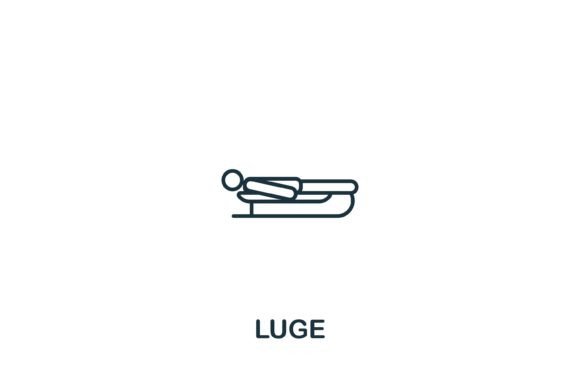
When a new embroidery design file lands in my library, my first question isn't about the file formats. It's about the design's character and its potential in the real world of stitching. Today, I'm thinking about the Luge Icon, a simple line element symbol. This isn't just a graphic; it's a potential stitch pattern waiting to be applied to fabric, and that translation from screen to thread is everything.
The Clean, Athletic Personality of This Design
The Luge Icon presents itself with a clear, focused simplicity. It has a sleek, athletic mood—dynamic yet streamlined. This isn't a cluttered or overly decorative symbol. Its visual personality is about motion and precision, which makes it feel modern and sporty. For an embroidery designer, that tells me immediately this belongs on projects with a certain energy. Think activewear, gym bags, or gifts for someone with a passion for winter sports. It wouldn't feel right on a frilly, decorative pillow; its natural home is custom apparel, caps, or performance-oriented merchandise.
Where This Icon Shines in Real Embroidery Work
Imagine you're preparing a custom embroidered sweatshirt for a local sledding club or a personalized tote bag for a sports enthusiast. The Luge Icon, with its clean lines, would translate beautifully. On a mid-weight sweatshirt fabric, using a running stitch or a light satin stitch for the lines could create a crisp, graphic look that feels premium. It's the kind of design that elevates a simple garment into a niche, branded product.
For small business owners and Etsy sellers, this icon could be a fantastic core asset. It could become a consistent logo element across a line of products: embroidered patches for jackets, subtle designs on baby clothes for a sporty family (think a tiny icon on a baby bib or blanket), or even as a decorative accent on kitchen towels for a cabin or lodge-themed boutique. Its clarity makes it highly recognizable, which builds brand consistency and customer trust. On a digital product preview or printable mockup, the clean vector graphics ensure it looks professional, which directly affects buyer engagement and perceived value.
Practical Considerations for Stitching Success
However, the simplicity of a line-based design also demands attention. In real-life embroidery situations, thin lines can present challenges. On textured fabrics like some tote bag materials or dense sweaters, fine details can get lost. On stretchy fabric, without proper stabilizer, those lines could distort. My strongest advice is always to test the design on scrap fabric first. Use the same fabric and stabilizer you plan for the final project.
Check thread color contrast meticulously. On dark fabric backgrounds, a single thread color might not pop unless you choose a bright, contrasting hue. I often test my designs in both black and white mockups to visualize this. For the Luge Icon, which lacks dense fill stitch areas, stitch density is less of a worry, but the very small details and corners need inspection. Ensure your machine embroidery file and hoop size can render those sharp turns cleanly. A very small hoop size might compress the detail too much.
Scenarios Where You Should Proceed with Care
This icon should be used carefully on certain projects. On curved surfaces like caps, the long, sweeping lines of the luge sled might need slight adjustment to follow the curve gracefully. On items that need frequent washing, like baby clothes or kitchen towels, ensure your stitch choice and thread are durable enough that the fine lines won't fray quickly. Also, for products like layered garments where the embroidery sits on a placket or pocket, consider how the icon's layout fits the available space—it's a horizontal, flowing shape, so it needs a fitting canvas.
For craft business items aiming for a high-end handmade presentation, the clarity of this stitched icon can really add to the giftability and professionalism of the item. A well-executed Luge Icon on a holiday gift like a wool blanket or a pillow cover for a winter sports fan feels thoughtful and custom. It's not generic; it's specific.
Final Notes Before You Hoop Your Fabric
As an experienced designer, my process always includes a few final checks. With a design like the Luge Icon, confirm the licensing terms for the digital embroidery file before selling finished items or commercial embroidery projects. The provided vector graphics files (EPS, AI, SVG) are fantastic for editing, allowing you to resize or perhaps integrate the icon into a larger design without quality loss. This flexibility is key for creative entrepreneurs.
Remember, the JPG file is useful for previews, but the vector files are your true working assets. Whether you're creating an embroidered patch for sale, adding a logo to aprons for a small shop, or designing a custom apparel line for a client, start with a test stitch. Look at it from a customer's perspective: does it communicate clearly? Is it appealing? With this icon's clean, sporty character, when stitched well on the right product, it absolutely can.
The Luge Icon isn't just a graphic; it's a template for a story you stitch onto fabric. It speaks to a niche, carries a mood, and when applied with practical skill, it becomes a valuable part of your embroidery project library or your craft business's offerings.