Ux Design Icon: A Designer's View for Embroidery Projects
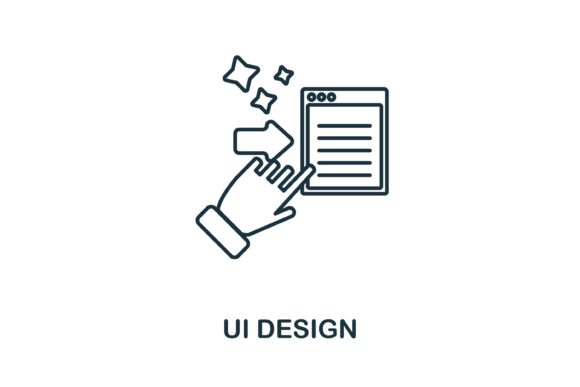
Let’s talk about this Ux Design Icon, not just as a graphic on a screen, but as something you’re considering stitching onto fabric for a real project. My first impression is that it’s a clean, modern outline sign. The mood it creates is professional, slightly techy, but also minimalist and approachable. Its personality is more about clarity and concept than decorative flair. That tells me immediately the kind of embroidery project it naturally belongs to: items for a specific audience. Think custom apparel for designers, tote bags for tech conference swag, or personalized gifts for someone in that field.
The Right Project for This Design’s Personality
I’m picturing a scenario: a client who runs a small web design boutique wants embroidered caps for her team. Or, you’re an Etsy seller creating a line of “coder mom” baby blankets. This Ux Design Icon fits perfectly there. It’s a symbol, a recognizable logo graphic. On a sweatshirt or a neat little patch, it communicates a shared interest or profession without shouting. For small business merchandise, it could serve as subtle branding on employee aprons or tea towels in a creative agency’s kitchen. As a holiday gift for a UX designer friend, embroidered onto a pillow cover, it’s thoughtful and niche. The design’s simplicity means it won’t look cluttered when stitched, which is a huge plus for customer trust in a handmade product’s presentation.
Where This Icon Shines in Stitched Form
For actual embroidery, the outline style is promising. On custom apparel like t-shirts or polo shirts, a clean line icon like this can stitch out with great clarity, especially using a crisp satin stitch for the borders. On tote bags and caps, where curved surfaces can distort details, a simple shape like this holds up better than a complex, dense fill. For patches, it’s ideal—easily recognizable when applied to a backpack or laptop sleeve. In baby embroidery or nursery decor, scaled appropriately on a blanket corner, it becomes a subtle, modern motif rather than a loud cartoon. For printable mockups and digital product previews, which many digital embroidery file sellers use, this graphic’s vector nature means it scales perfectly for those preview images, boosting professionalism in your Etsy listings or craft business site.
Practical Considerations for Stitching Success
Now, the realistic part. This is an outline sign from a graphic design collection. While the provided files—EPS, JPG, AI, SVG—are excellent for digital use and scaling, for machine embroidery, you’ll need to convert this to a proper embroidery file format. That conversion process is where you must pay attention. The detail level here seems manageable, but you must inspect small details closely. Tiny corners or acute angles in the line work could become problematic if the stitch density is too high or the hoop size too small. I’d strongly advise testing this design on scrap fabric first, preferably the same fabric you plan to use for the final product—be it a textured linen pillow cover or a stretchy cotton sweatshirt.
When to Use This Design with Extra Care
There are situations where this Ux Design Icon requires more thoughtful setup. On dark fabric, the contrast needs to be perfect; a light thread color might need an extra layer of stabilizer to keep the lines bright and sharp. On thin or stretchy fabric, like a certain t-shirt material, the outline could potentially distort if the foundation isn’t stabilized properly. For very small hoop sizes, perhaps on a baby item’s sleeve, some of the finer lines might lose their definition if the design isn’t optimized for that scale. And for products that need frequent washing, like kitchen towels or aprons, a clean, not overly dense stitch area like this tends to hold up better over time, but always recommend quality threads.
How It Elevates Your Finished Product
From a commercial embroidery and craft business perspective, using a well-executed version of this icon can enhance product value. It feels intentional. For a personalized gift, it shows you understood the recipient’s passion. For small shop merchandise, it adds brand consistency if your shop caters to creative professionals. The visual appeal comes from its recognition—people in that field will instantly connect with it, which drives buyer engagement. It’s not a generic floral motif; it’s a statement of identity. That specificity can make your handmade product stand out at a craft fair or in a boutique.
Embroidery Designer Notes Before You Hoop
Before you commit this to a final project, here’s my practical checklist. First, always confirm the licensing terms for the original graphic asset for both personal and commercial projects. You are likely creating the embroidery file yourself from these vector graphics. Test the design in black and white mockups to see how it reads without color. Compare how it looks on light and dark fabric backgrounds digitally. Choose thread colors that offer strong contrast—this design thrives on clarity. Review the stitch density in your embroidery file conversion; an outline like this can sometimes become too thick if filled overly. Check that the design works on the intended hoop size for your project, whether it’s a large tote bag or a small cap front. And finally, think about the end use: is this for a one-off personalized gift, or for a line of commercial embroidery products you’ll sell repeatedly? That decision might influence how you optimize the file for production.
In the end, the Ux Design Icon is a strong graphic candidate for thoughtful embroidery projects. Its strength is its conceptual clarity and modern feel. When stitched well on the right product, it tells a specific story. That story can resonate deeply with a customer, making your embroidered tote bag, sweatshirt, or patch not just another item, but a meaningful piece for someone who lives in that world.