A Designer's Take on the Valentines - Bag 1 Icon
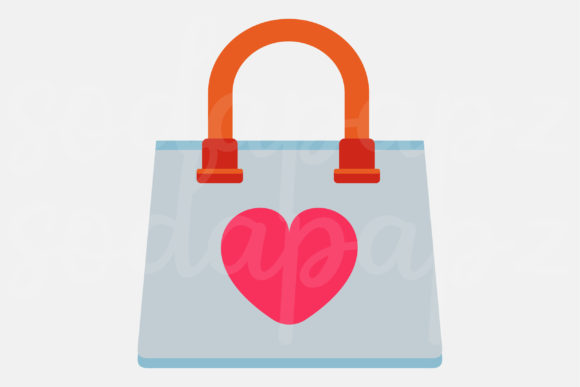
Looking at Valentines - Bag 1, my first thought is pure practicality. It’s a clean, flat icon, immediately suggesting “container” or “gift.” The shape is simple—a classic bag with a tidy, stylized bow. This isn’t a hyper-detailed, sentimental Valentine’s piece; it’s a graphic symbol. That means its mood is versatile: it can imply romance, a present, or simply a curated collection. For embroidery, this is a strength. It has a visual personality that’s more about clean lines and recognizable form than ornate emotion, making it belong naturally to projects where clarity and modern style are key.
Where This Design Finds Its Home in Real Projects
In my studio, I’m always thinking about how a design translates from screen to stitch. Valentines - Bag 1, with its defined outline and solid fill areas, is a candidate for a wide range of real-life embroidery situations. I envision it stitched onto a custom tote bag for a boutique—the graphic nature would make the bag itself feel like a designed product, not just a decorated one. On a minimalist sweatshirt, it could serve as a subtle, stylish accent. For baby items, like a simple blanket or bib, its gentle shape works well without being overly thematic.
This icon shines as an embroidered patch. Its contained form and clear edges would make for a crisp, professional-looking patch that could be applied to aprons, caps, or backpackers. For holiday gifts, think beyond February: this “bag” could symbolize a gift for any occasion, making it suitable for personalized pillow covers or kitchen towels year-round. For digital product sellers and Etsy listings, this embroidery file is a solid asset for creating printable mockups or previews for custom apparel services, as its graphic style presents well in digital previews.
The Sweet Spot for Commercial and Craft Use
The true test for an embroidery design is how it performs in commercial projects and craft business items. Valentines - Bag 1, being an icon, offers strong brand consistency. A small business selling handmade goods could use this stitched onto their product packaging tags or employee aprons for a cohesive, branded look. For craft fair products, a series of tea towels or tote bags each featuring this icon would create a recognizable, professional merchandise line. Its simplicity supports buyer engagement—it’s easy to understand and aesthetically pleasing, which builds customer trust in the quality of the handmade presentation.
Careful Application: Where to Mind the Details
While versatile, certain applications demand a thoughtful approach. The design’s success hinges on stitch clarity. On small hoop sizes, for instance on a cap’s curved front, the detail of the bow and the bag’s corners must be checked. A dense fill stitch in that area on a small scale could become muddy. On textured fabrics like some blankets or thick sweaters, the clean lines might soften, so stabilizer choice is crucial.
I would be cautious using it on very thin or stretchy fabric without proper stabilizer, as the fill areas could pull. Embroidering onto dark fabric requires a deliberate thread color contrast plan—this icon needs to pop, not fade into the background. For products destined for frequent washing, like baby clothes or kitchen linens, testing the stitch density and integrity on scrap fabric first is non-negotiable to ensure longevity.
Affecting Value and Appeal in Finished Products
How does Valentines - Bag 1 affect the final product’s value? Its graphic, icons-based style lends a contemporary, designed feel. On a custom apparel item, this elevates it from a generic holiday shirt to a piece with visual appeal. For personalized gifts, like an embroidered pillow cover for a wedding gift, the icon’s symbolism of a “bag” or gift can add a layer of thoughtful meaning, enhancing its giftability. For a craft business, using a clean, well-executed version of this design on your products reinforces professionalism and recognition in the market.
Practical Notes from the Embroidery Desk
Before loading this embroidery file, here’s my workflow. First, I always test on scrap fabric that matches my final project material. This reveals how the satin stitch or fill stitch behaves, especially on the bag’s main body and the bow. I check thread color contrast rigorously, often testing the same design in light and dark fabric mockups to see which palette works best.
I inspect the small details in the preview, particularly any corners or tight angles, to anticipate if any manual adjustments are needed for my machine embroidery setup. Confirming the hoop size required for my specific project is a basic but vital step. Crucially, I verify the licensing terms for Valentines - Bag 1. Since it’s described as usable for various graphic designs, I need to confirm whether my intended use—selling finished embroidered tote bags or offering commercial embroidery services—is covered before proceeding.
This design, from the Valentines collection and categorized under Graphics, is inherently versatile. But in embroidery, its success is not automatic. It requires the standard designer diligence: proper stabilizer for the fabric texture, thoughtful color choices, and a clear understanding of its use rights. When handled with that practical care, Valentines - Bag 1 becomes a reliable, stylish asset for machine embroidery designs across personal projects and commercial embroidery ventures, from a hobbyist’s handmade product to an apparel decorator’s small shop product line.